


God hugs you. You are encircled by the arms of the mystery of God.
Hildegard of Bingen

God Hugs You
Topic: Love, Compassion, & Kindness
God hugs you. You are encircled by the arms of the mystery of God.
Hildegard of Bingen (1098-1179) was a Benedictine abbess and mystic of medieval Germany. She was born into a noble family in Bermersheim vor der Höhe, Germany, and entered religious life at the age of eight. She received a rudimentary education, but at the age of forty-two, she began to experience a series of visions that would shape her life and work.
Hildegard described these visions as "the living light," and they were often accompanied by physical sensations such as heat, cold, and pain. She believed that these visions were a gift from God, and she felt called to share them with the world. She began to write down her visions, and she also composed music and poetry to express her spiritual insights.
Hildegard was a prolific writer, and her works cover a wide range of topics, including theology, natural science, medicine, and music. She is best known for her three volumes of visionary theology: Scivias, Liber Vitae Meritorum, and Liber Divinorum Operum. These works are rich in symbolism and imagery, and they offer a unique perspective on the nature of God, the human soul, and the world.
In addition to her writings, Hildegard was also a gifted musician and composer. She wrote over 70 songs, including the Ordo Virtutum, an early example of liturgical drama. Her music is characterized by its simple melodies and its use of plainchant.
Hildegard was a complex and multifaceted figure, and her work continues to inspire and challenge people today. She was a visionary, a mystic, a writer, a composer, a scientist, and a healer. She was also a woman of great courage and determination, and she used her gifts to make a difference in the world.
Hildegard of Bingen was a remarkable woman who left a lasting legacy. She was a pioneer in the fields of theology, natural science, and music, and her work continues to be studied and appreciated today. She was also a powerful voice for women's rights, and she challenged the patriarchal structures of her time. Hildegard of Bingen was a true visionary, and she continues to inspire us with her courage, her intellect, and her creativity.
Book of Divine Works
Hildegard of Bingen. Book of Divine Works, translated and interpreted by Matthew Fox, Bear & Company, 2001, p. 185.
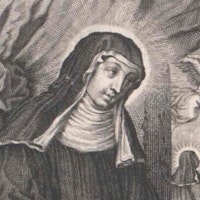
Hildegard of Bingen
Theme: Love
About This Hildegard of Bingen Quotation [Commentary]
Hildegard of Bingen About One Divine Embrace
This interpretation honors Hildegard of Bingen’s understanding that “the mystery of God” cannot be contained within a single human name or gender. Her writings give feminine figures such as Divine Love and Wisdom a voice of authority, creative power, judgment, and sustaining care—not a narrow or stereotyped role. To speak of the embrace of both Heavenly Mother and Heavenly Father is therefore not to divide God into contrasting qualities, but to recognize one divine compassion expressed through more than one sacred image. Hildegard of Bingen’s careful yet commanding presentation of the feminine divine also carries a quiet resonance with her own life as a woman exercising spiritual authority within the Church. Her words, “God hugs you” and “You are encircled by the arms of the mystery of God,” allow this balanced reading: Mother and Father are not competing images, but names that help us receive the fullness of the one divine embrace.
Hildegard of Bingen’s Vision About the Divine Feminine
Resources
Related Quotes
Copyright © 2017 – 2026 LuminaryQuotes.com About Us