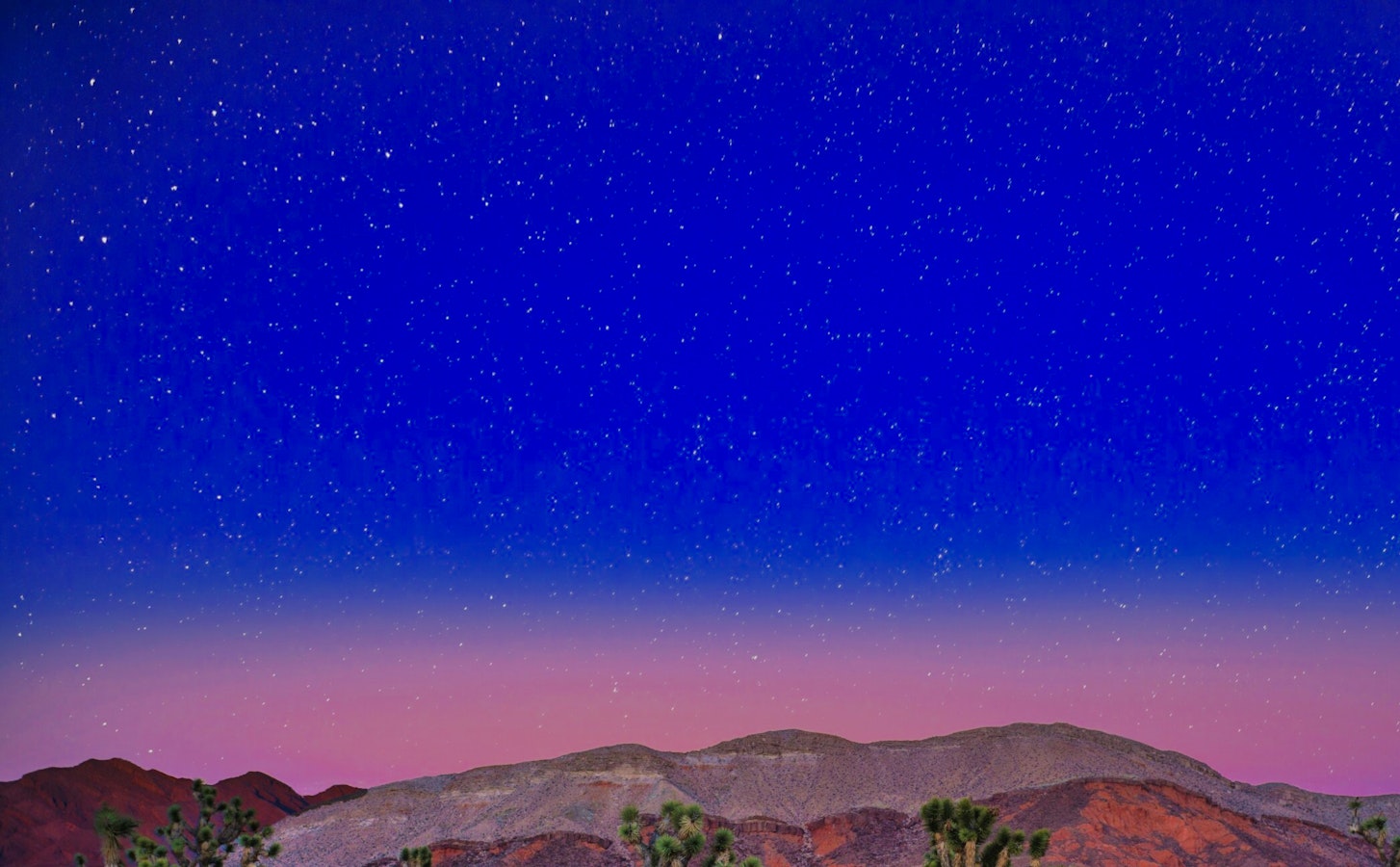

Faith is the space we create for God.

Faith is the space we create for God.
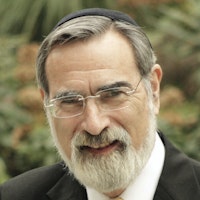
Jonathan Sacks

The Space We Create
Topic: Belief & Faith
If we listen, God is closer to us than we are to ourselves. If we do not, He is further away than the most distant star. Religion is an elaborate discipline of paying attention. Faith is the space we create for God.
Jonathan Henry Sacks, Baron Sacks, was born on March 8, 1948, in Lambeth, London. He became a notable British Orthodox rabbi, philosopher, theologian, author, and politician. From 1991 to 2013, he served as the Chief Rabbi of the United Hebrew Congregations of the Commonwealth, playing a pivotal role in guiding and representing Jewish communities across the region.
Beyond his leadership in the Jewish community, Sacks was deeply passionate about character education, morality, and the importance of family. He frequently emphasized the role of ethical teachings in forming well-rounded individuals and believed in the necessity of strong family bonds for a stable society. An accomplished author, his books often explored the intersections of faith, morality, and contemporary challenges, aiming to make religious insights relevant to a wide audience. These works not only resonated within religious circles but also found acclaim in academic and political spheres due to their timely and profound insights.
Sacks passed away on November 7, 2020, in London. His legacy, marked by interfaith dialogue, advocacy for character education, and a steadfast commitment to the Jewish community, continues to inspire many. He is survived by his wife, Elaine Taylor Sacks, whom he married in 1970.
Sacks, Jonathan. "Where we let Him in." Celebrating Life. Continuum, 2002. 83. Print.
Jonathan Sacks
Theme: Belief and Faith
About This Jonathan Sacks Quotation [Commentary]
Jonathan Sacks, Where we let Him in [Excerpts]
“Rabbi Menahem Mendel of Kotzk (1787-1859) was one of the most remarkable figures of the populist Jewish mystical movement known as Hassidism. Angular, unconventional, passionate in his search for truth, he was compared by the late A. J. Heschel to his Christian near-contemporary, Søren Kierkegaard. Both were complex and tormented figures who spent their lives, like the biblical Jacob, ‘wrestling with God and with men’.
It is said that on one occasion, at the third Sabbath meal, when the atmosphere of the holy day is at its most intense, the rabbi turned to his disciples and asked, ‘Where does God live!
They were stunned by the strangeness of the question. “What does the rabbi mean, “Where does God live?” Where does God not live? Surely we are taught that there is no place devoid of His presence. He fills the heavens and the earth.’
‘No,’ said the rabbi. ‘You have not understood. God lives where we let Him in.’
That story has always seemed to me more profound than many learned volumes of theology. God is there, but only when we search. He teaches, but only when we are ready to learn. He has always spoken, but we have not always listened. The question is never, ‘Where is God?’ It is always, ‘Where are we?’ The problem of faith is not God but mankind. The central task of religion is to create an opening in the soul…”
“If we listen, God is closer to us than we are to ourselves. If we do not, He is further away than the most distant star. Religion is an elaborate discipline of paying attention. Faith is the space we create for God.
Faith is not certainty. It is the courage to live with uncertainty. It is not knowing all the answers. It is often the strength to live with the questions. It is not a sense of invulnerability. It is the knowledge that we are utterly vulnerable, but that it is precisely in our vulnerability that we reach out to God, and through this learn to reach out to others, able to understand their fears and doubts. We learn to share, and in sharing discover the road to freedom. It is only because we are not gods that we are able to discover God.”
—Sacks, Jonathan. “Where we let Him in.” Celebrating Life. Continuum, 2002. 83. Print.
Resources
Related Quotes
Copyright © 2017 – 2026 LuminaryQuotes.com About Us